Hidden Letters Revealed: Light, Lenses, and Patience

Today we explore imaging techniques to read worn furniture brands and inscriptions, turning faint impressions, scorched stamps, and ghosted stencils into legible stories. With careful lighting, magnification, and digital enhancement, even tired surfaces can whisper names, dates, and workshops. Bring curiosity, respect for materials, and a steady hand, and you’ll uncover provenance clues that reconnect objects with makers and places.

Light at a Low Angle, Truth in the Shadows

Shallow light reveals height differences better than brute brightness ever will. By skimming a beam across the surface, ridges and depressions cast readable micro‑shadows that restore contrast to nearly vanished letters. Combine controlled direction, distance, and diffusion to separate mark from grain, and you’ll see hidden edges leap forward without touching or altering the wood, paint, or leather. It’s subtle, safe, repeatable, and remarkably revealing.

Raking Light That Traces Grain and Grooves

Place a small continuous light almost level with the panel, then move it slowly in an arc until shadows define strokes. Adjust height by millimeters and watch letters pop when the angle complements the cut. A white card as a bounce can soften harshness, while distance controls shadow length. Photograph each angle, because different letters emerge under slightly different directions, like a puzzle assembling itself.

Taming Glare with Cross‑Polarization

Old finishes shine just where you need clarity. Fit a linear or circular polarizer on the lens, and a matching polarizing gel on the light, rotated to cancel reflections. Suddenly varnish glare vanishes, leaving intact information in the wood below. Colors deepen, micro‑scratches recede, and faint burned brands or stencil overspray separate from sheen. Record a polarized and non‑polarized series; sometimes their differences are the key.

Beyond Visible: UV Fluorescence and Near‑IR

Ultraviolet can make residues fluoresce, revealing ghost outlines of ink or paint that is otherwise tone‑matched to the substrate. Near‑infrared penetrates surface grime and darkened finishes, helping inscriptions emerge as tonal differences. Work safely with eye protection and filtration, documenting filter stacks and wavelengths. Alternate UV‑induced visible fluorescence, reflected UV, and reflected IR to build a composite interpretation rather than a single, possibly misleading, frame.

Closer Than Close: Macro Capture That Respects the Surface
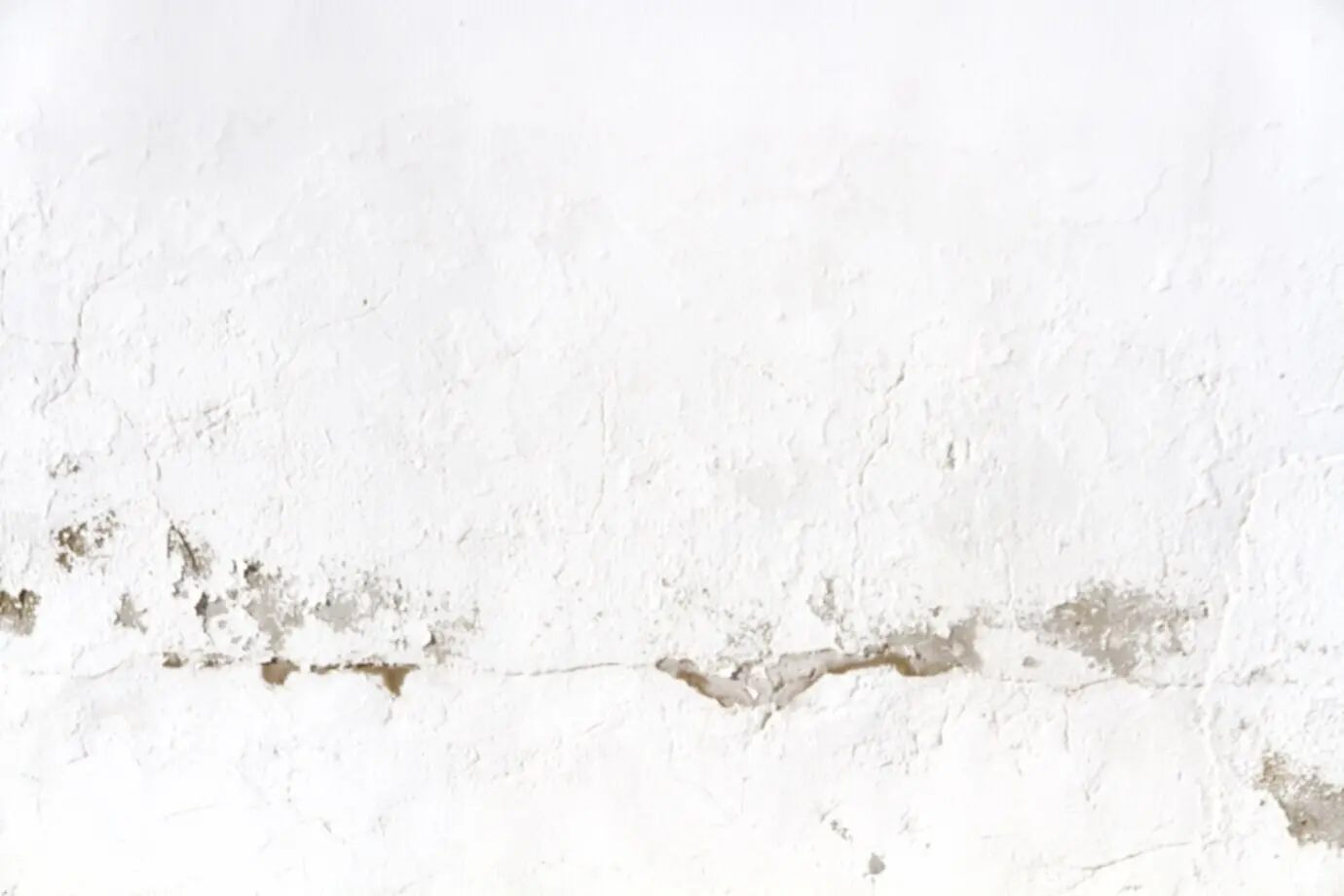
Magnification is only useful when it stays sharp, stable, and gentle. Macro setups let you resolve compressed fibers at the bottoms of stamped letters or the raised lips of incised serifs. Keep the plane of focus aligned to the mark, use small apertures balanced by additional light, and avoid touching finishes. With patience, you will separate tool marks from later abrasion and truly read the original intent.

Shape from Light: RTI and Relighting Magic

Reflectance Transformation Imaging records how a surface responds to many light directions, producing an interactive file you can relight on screen. It emphasizes micro‑topography, perfect for faint stamps, incised initials, or abraded stencils. With a single lamp, two reflective spheres, and consistent camera alignment, you can build datasets in the field. The resulting relightable record often transforms undecipherable texture into legible script without altering the object at all.

DIY RTI with a Single Lamp and Spheres

Position two small reflective spheres near the mark, keep the camera locked, and take a series of photos while moving a handheld light around the hemisphere. Software computes light direction from sphere highlights, generating a relightable model. Explore specular enhancement and diffuse gain rendering modes to amplify shallow cuts. Document lamp positions and exposure settings. Even with modest gear, the interactive result often outperforms any single photograph.

Photometric Stereo on a Budget

If RTI software feels heavy, you can approximate shape recovery by shooting multiple angles and using lightweight tools to combine shading information. Keep exposure constant, avoid moving the object, and mask backgrounds. The computed normal maps exaggerate relief, revealing letter edges otherwise buried in noise. It’s a pragmatic bridge between simple raking light and full RTI, well suited to quick surveys when time is scarce but clarity matters.

When to Prefer 3D Photogrammetry

For deep or complex marks—branding irons on curved legs, carved shop cartouches, or stamps near joints—build a 3D model with overlapping images. Proper cross‑polarized lighting helps texture quality. The mesh and texture allow virtual raking and measured profiles. Use scale bars, neutral color targets, and careful masking. Photogrammetry complements RTI by capturing geometry around the inscription, situating it within construction details that reinforce attribution and manufacturing practices.

Digital Darkroom: From RAW Shadows to Readable Marks

Color, White Balance, and Neutral Targets

A gray card photographed in the same light anchors white balance, preventing warm varnish or cool LEDs from masking faint ink. Calibrate once, then synchronize across the set. Subtle tint shifts can hide or reveal brown‑on‑brown details. Keep exposure shy of clipping highlights. Use linear profiles when testing edge visibility, then return to faithful profiles for archival derivatives. Consistency builds trust in every interpretive step you take.

Local Contrast, CLAHE, and Gentle Sharpening

Boost structure where it matters using local contrast tools and CLAHE, which lifts micro‑contrast without blowing global tones. Pair with modest deconvolution or unsharp masking, watching for halos along grain. Dodge and burn selectively to equalize uneven raking. Work non‑destructively with masks and low‑opacity brushes. If the inscription requires proof, export intermediate states so peers can follow decisions and confirm that enhancements respect the original evidence.

Edges, False Color, and Multispectral Blends

Edge detectors like Sobel or Canny can outline letter boundaries otherwise tangled in wood texture. Blend IR and visible frames to separate pigment from substrate, or try principal component analysis on multispectral stacks to concentrate signal. False‑color maps exaggerate differences responsibly when labeled and explained. Always keep a natural‑color reference beside experimental outputs, ensuring viewers can compare interpretations and avoid overconfidence born from striking but misleading images.
Field Kit and Care: Do No Harm, Capture More Data

Decoding the Story: Attribution, Dates, and Community
Reading the mark is step one; understanding it is the prize. Shapes of letters, spacing, and depth reveal tools, habits, and sometimes the workshop itself. Cross‑check findings against maker directories, trade catalogs, and advertisements. Build a timeline from changing logos or city addresses. Invite colleagues to challenge interpretations. Share annotated images and process notes. Together, you refine accuracy, discover connections, and return meaningful identity to quiet, hardworking furniture.
Thatchicera
Privacy Overview

This website uses cookies so that we can provide you with the best user experience possible. Cookie information is stored in your browser and performs functions such as recognising you when you return to our website and helping our team to understand which sections of the website you find most interesting and useful.